92. how to be gentle on yourself (and others)
There is a pattern I see in a lot of the moms I sit with in therapy, and maybe you will recognize it too:
a lot of us never had much of a roadmap for women who practiced self-compassion.

If you are a millennial like me, or maybe even if you are not, we have watched a lot of women be stoic, self-sacrificing, human givers, as Emily and Amelia Nagoski call it in their book Burnout.
Women who give and give and give, emotionally neglecting themselves to the point of no reproach.
That is why so many of us, as mothers now, do not have a middle ground. We are either patient, holding space for everyone else and for ourselves, or we are complete a-holes (I am outing myself here too).
But being gentle with yourself, the kind that is not earned or rushed through, is something a lot of us are learning from scratch, as adults, because we did not really have anyone to copy.
This is the first post in a series I am calling undermothered. If the word is new to you, undermothered describes what happens when a mother's own capacity, needs, or emotional presence could not stretch far enough to meet yours, whether or not she meant for that to happen.Naming that gap gives you a starting point for being gentle with yourself, without needing to blame anyone for it.
If you were raised by a mom who could not hold your emotions, you learned to hold everyone else's instead. And that is not your fault, and it does not mean you are the problem. It was a survival strategy that followed you into motherhood.
This is something I wrote about back in 2020, and I want to revisit it now with a few more years of practice behind me.
What does it actually mean to be gentle with yourself?
Is it a feeling?
A state?
Something you either have or do not?
It looks different for everyone, and there is no single right way to do it. I created this list back in 2020, after discussing this very topic in one of my Mindful Mothering sessions, now called Mindful Art Club for Moms.
These are the things I keep coming back to, over and over again. This list remains an anchor for me in being gentle on myself and others, especially when I get in my head about how I was parented, or not parented.
7 Ways to Practice Self-Compassion and Be Gentle on Yourself
1. Awareness of your feelings
Noticing your feelings is a practice. Once you get into the rhythm of it, you feel the shift it creates. Noticing (without judging what you notice) is different from the usual "good," "fine," "ok." It means naming the feeling, staying with it, and letting it move you the way it needs to.
Right now, close your eyes and ask yourself, "how am I feeling?"
Let the actual word surface.
That word is what lets you honour the feeling and ask for what you need.
2. The power of writing it down
Journaling is one of the most well-used tools for managing mental health and giving yourself permission to be gentle with yourself. It may help manage anxiety, reduce stress, and cope with everyday moments. Author Allison Fallon, who wrote an entire book on this exact habit, put it simply: the words you put on paper will change the ending of the story.
If journaling makes you tense up a little, you are not alone. Putting a feeling into words can feel exposing, like you are making it more real by writing it down. That hesitation is normal, and it does not mean you are doing it wrong. It can take five minutes and can help you sort through your problems, fears, and concerns - the things that block gentleness toward yourself in the first place. Once it is on paper, you are not carrying it alone anymore, and you are better able to move toward resolving what is causing the stress.
3. Talk to yourself like a friend
Think of something taking up real estate in your head right now.
Notice where you feel it in your body.
Find one or two words for it.
Now practice talking to yourself about it the way a friend would - not the way your inner critic usually does. Give yourself the same grace you would give a friend.
Really listen to what that friend has to say, and notice how different it feels in your body compared to what you would normally say to yourself. Notice your shoulders unclench.
4. Take what people say at their actual word
Every relationship is full of miscommunication, assumption, and speculation. Someone says one thing, and you hear another. You may even project emotions, motives, and conclusions before they have finished a sentence. Practice noticing when you are speculating or assuming you know more than you do. When you catch that internal story, run it past your own fact-checker - ask yourself how true this thought actually is.
I use this tool over and over again with my own partner. When I think I have assumed something about how he is feeling, I will say: "the story I am telling myself is that you are mad at me. Am I right, or am I totally off base?" And then we have a conversation about it.
5. Manage your expectations
Some people are morning people. Some are not. Some are organized. Some are not. Some feel responsible to help. Some do not. There are many ways to live and get things done, and holding that loosely can be a relief. When you catch yourself thinking someone is doing something "wrong," pause and ask whether your words will help the situation or just hurt it.
Is this your expectation, or theirs?
Are you giving space, or stifling it?
Are you letting this person be who they are?
6. Believe people are doing the best they can (including you)
This story lives rent free in my head.
Sound familiar?
Your friend does not text back, and you assume she is mad at you.
Your mom cancels lunch, and you decide she does not understand how busy you are.
Your partner skips the dishes, and you resent them for everything else you are carrying.
This may be the moment to revisit the idea of assuming positive intent. Set your own boundaries, be kind, be gentle with yourself, and assume the person frustrating you is doing the best they can. And yes - you have to believe you are doing the best you can too.
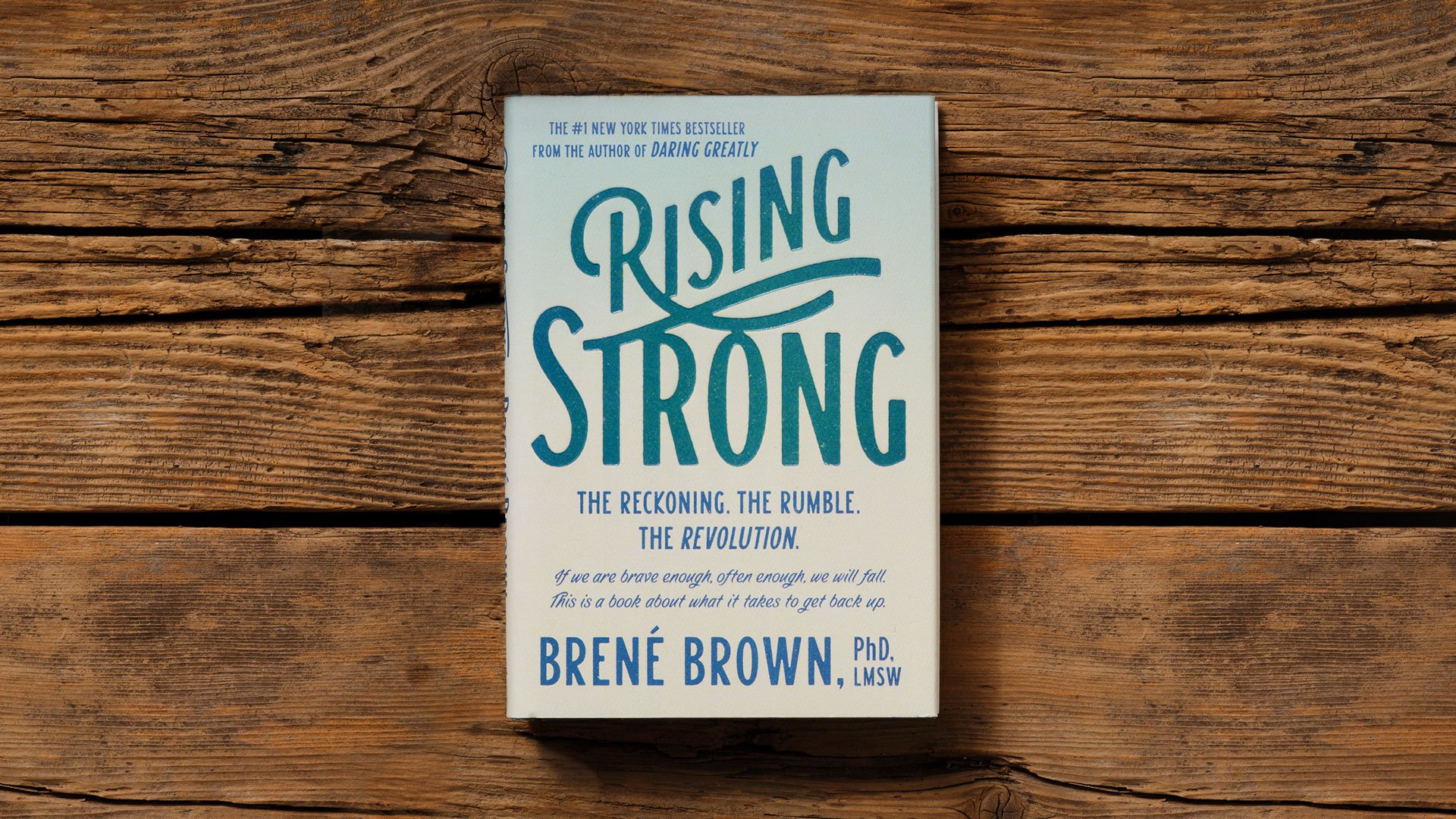
There is a story Brené Brown tells in Rising Strong about her therapist posing the question: do you believe people are doing their best? It came from an interaction she had in a hotel room, sharing a space with someone who moved through the world very differently than she does. She wrestled with that question, and truthfully did not want to believe that people, especially people she disagreed with, were doing their best.
Then one day she felt judged herself by a friend, and she was humbled into realizing it might be true, as hard as that is to accept.
7. Align your words and actions
How you feel, what you tell yourself, what you share with others, what you believe, what you assume of others - it is all connected. My mentor, Jennifer Buchanan, once told me: how you do one thing is often how you do most things. That is the thread running through all seven of these, and the work is in letting gentleness toward yourself show up in each one.
Being gentle on yourself can be hard, especially if you grew up undermothered. Any or all of these seven things can feel like a stretch when you spent years being the one who managed your mother's feelings instead of your own.
Highly critical comments.
Not being seen, heard, or felt.
Emotions that got brushed past instead of listened to.
If any of that sounds familiar, gentleness is not going to come naturally right away, and that does not mean you are doing this wrong. It means nobody showed you how.
Bonus: Talk to yourself like you wanted your mom to
This one goes a layer deeper than practicing kindness the way a friend would offer it. This is about building the voice you needed as a kid, the one that might say:
"I've got you."
"That makes sense."
"F*cking rights, you have every right to be mad about that."
"You're allowed to be sad about it. You're allowed to grieve the person you thought you'd be. You're allowed to be upset about the inconvenient temperament your kid has, the one that is different from the idea you had about life."
The researchers who study emotionally immature parenting describe this as one of the real losses of an undermothered childhood. The childhood was not necessarily lacking love. It was more that the people in that home did not know how to respond to your emotional needs, your inner world, the uniqueness that makes you, you.
Think of a moment from your own childhood when you needed comfort and did not get it.
Imagine grown-up you going back into that moment and saying the very thing you needed to hear. What would now-you tell younger-you? How would she hold you? A gesture of affection? Words of inspiration?
Say it to yourself now, out loud if you can.
The Takeaway: Practicing Self-Compassion as an Undermothered Mom
Being hard on yourself was learned somewhere, usually before you had any say in it. The work is learning to notice when the old pattern shows up, checking in with what you actually need in that moment, and letting the discomfort be there without getting stuck there. Gentleness takes practice to build, the same way the old pattern did.
If you want to go deeper on any of this, this fall Kayla is starting a live UNDERMOTHERED group series, exploring what it was like to grow up undermothered together with other moms.
Or if one-on-one feels like a better fit, you can book a session with Kayla.
What You'll Learn About Self-Compassion and Being Gentle on Yourself
Learn how to build awareness of your feelings
Discover the power of writing it down
Find out how to talk to yourself like a friend
Discover what happens when you stop assuming the worst
Uncover a common trap in managing your own expectations
Help yourself believe people are doing the best they can, including you
Discover why your words and actions need to match
I would love to hear from you. Tell me how you are being gentle on yourself lately, or how you are being hard on yourself. Both are welcome.